Algarve-Tourist.com
The best independent guide to the Algarve
Algarve-Tourist.com
The best independent guide to the Algarve
The Peaceful Algarve: Quiet Places for a Relaxing Holiday
The Algarve has a reputation for crowded beaches, high-rise hotels, and thumping nightlife. Those areas exist, concentrated around Albufeira and parts of Portimão, but they represent only a small fraction of this southern Portuguese coastline. Beyond the busy resort strips lies a very different Algarve: cobblestone streets worn smooth by centuries of footfall, the salt-scented air of traditional fishing harbours, and a pace of life set by the tides rather than the tourist season.
Finding a peaceful corner takes no great effort, just a little local knowledge. The hectic energy stays concentrated in a handful of resort towns. Travel a few kilometres inland or along the coast in either direction, and the atmosphere shifts noticeably. In the smaller villages, mornings begin with fishing boats heading out and church bells marking the hour.
Some of my favourite Algarve moments have been wonderfully ordinary. A solo walk around the Praia dos Caneiros headland with nobody else in sight. Kayaking the Rio Alvor at low tide. Or just a slow coffee in one of Tavira's backstreet squares. I've also shared this quieter side of the Algarve with my sister and her young children, and with my parents, who simply wanted somewhere to slow down properly.
None of those moments would have been possible in high summer, and timing matters more than most visitors realise. In my experience, July and August are best avoided if peace is what you are after. The crowds that arrive can double the region's population, filling roads and beaches alike.
The shoulder seasons offer a far better experience: spring (April to June) delivers warm weather, wildflowers across the clifftops, and quiet trails. Autumn (September to October) brings calmer seas, softer light, and the freedom to sit alone in a village café watching the afternoon drift by. It was autumn that my parents chose for their long stay in Tavira, and it suited them perfectly.
I've been exploring the Algarve since 2001 and, together with my Portuguese wife, have come to know this region as locals rather than tourists. All of that firsthand knowledge shapes this guide, with one purpose: to help you find a genuinely peaceful Algarve holiday.
My favourite places for a relaxing Algarve holiday
These are the places I recommend most to anyone asking where to find the quieter, more authentic side of the Algarve.
• Tavira is my top recommendation for a peaceful Algarve base. It has kept its Portuguese soul while other towns changed around it: a Roman bridge, unhurried riverside cafés, and historic churches around every corner. My parents spent two weeks here and didn't want to leave.
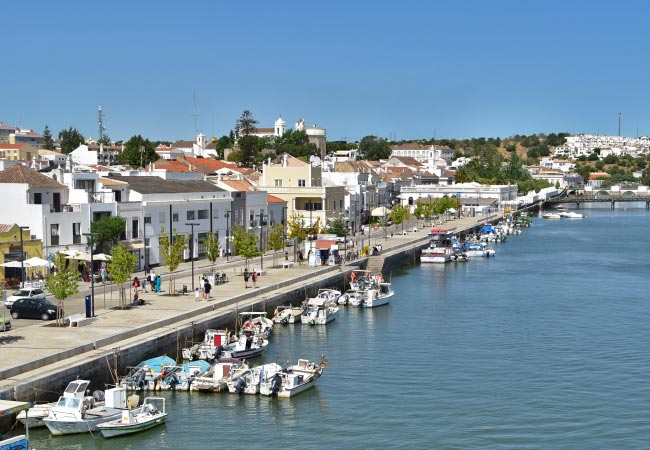
• Alvor is where I'd send anyone who wants a proper village feel with enough life to keep things interesting. Great restaurants, a beautiful estuary, and none of the noise of the bigger resorts. It does get busy in July and August, but outside of peak summer it's my favourite relaxed beach town in the Algarve.
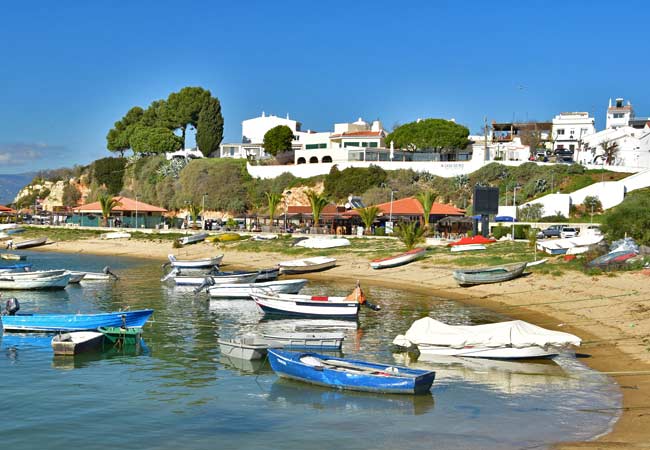
• Praia da Luz is quieter still, and it's where I took my sister for her first foreign holiday with her one and four year old daughters. A huge sandy beach, a safe shallow sea, and a pace so gentle that even a one year old can set the agenda. We went in May and barely saw a crowd.
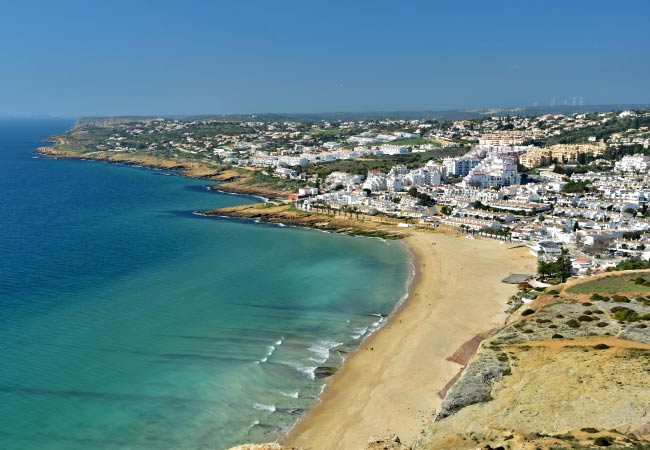
• Cabanas faces the calm lagoon waters of the Ria Formosa and feels almost untouched. A short boat ride gets you to empty beaches. My parent meant to spend an afternoon here and stayed three days. It has quietly drawn a sizeable expat community over the years.
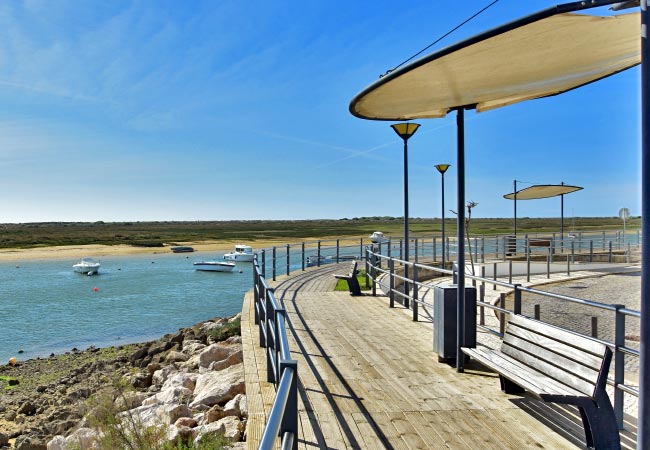
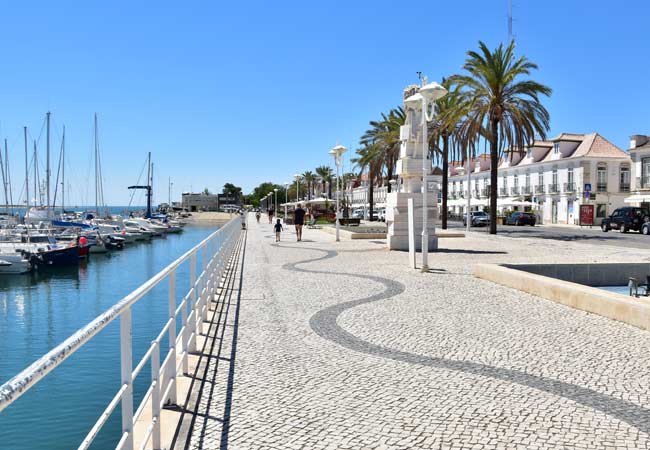
• Vila Real de Santo António, or mini Lisbon as my Portuguese wife thinks of it. The grand style of the capital but on a village scale, sitting at the quiet end of the Algarve overlooking the Guadiana River to Spain. Wide avenues, handsome architecture, and a pretty waterfront, and it's one of the most underrated spots on the whole coast.
Silves was once the mighty capital of Moorish Algarve, and the enormous red sandstone castle still dominates the town from above. These days it's a charming, unhurried Portuguese market town, far enough inland to escape the coastal buzz entirely. Cobbled streets, good restaurants, riverside cafés, and that castle watching over everything.
The following map highlights the most peaceful towns and villages across the Algarve. You will find a detailed look at what makes each location special in the sections below
Legend: 1) Sagres, 2) Salema 3) Burgau 4) Praia da Luz 5) Alvor 6) Ferragudo 7) Santa Luzia 8) Tavira 9) Cabanas 10) Vila Real de Santo António
The best relaxing places for a holiday to the Algarve
1. Tavira
Tavira stands apart from the rest of the Algarve. Where the western coast draws visitors with dramatic cliffs and vast beaches, Tavira is quieter and flatter, a landscape of salt pans and lagoons split by a river, with the feel of an older, unhurried Portugal.
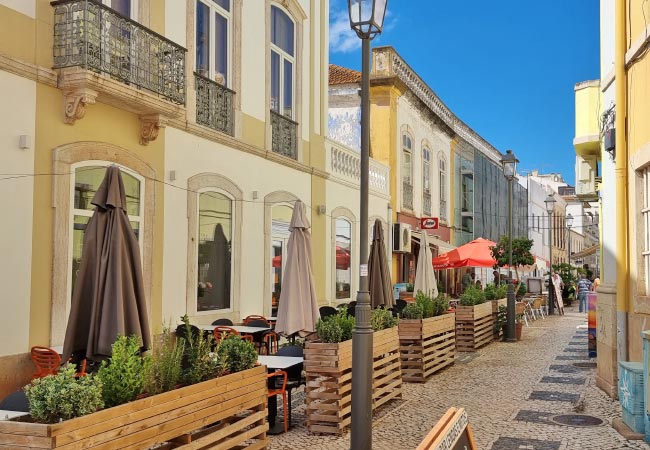
The Gilão River flows through the centre, its banks lined with shaded cafés and crossed by a pedestrianised Roman bridge that serves as the town's natural meeting point. On either side, cobbled streets wind past more than thirty churches, Moorish castle ruins, and small museums that reward a few days of gentle exploration.
The restaurant scene matches the setting. Traditional tascas serve grilled fish and cataplana alongside more contemporary options, and the quality runs high throughout the old town. Evenings here move slowly, spent browsing the riverside or settling into a courtyard table as the heat fades.
Beaches lie offshore on the Ilha de Tavira, a sandbar island reached by ferry from the town centre. Kilometres of white sand stretch in both directions, backed by dunes rather than development. Tavira makes an ideal base for exploring the quieter eastern Algarve, combining genuine Portuguese character with enough variety to fill a week without effort - Tavira guide
2. Alvor
I’ve watched Alvor grow over the years, yet it has never lost the character of its old fishing village. Unlike the larger, more hectic resorts, Alvor offers a complete holiday experience with excellent restaurants, lively bars, and local shops, yet maintaining a calmer, more manageable pace. It is an ideal base for those who want all the amenities of a holiday town but prefer to avoid the high-rise buildings and noise of the major cities.
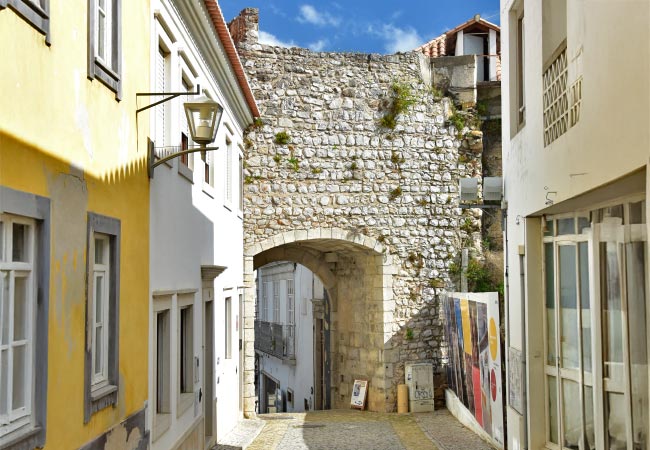
The centre of the village is a maze of narrow alleys and traditional houses that lead down to a working harbour. The quayside remains the centre of daily life, where you can watch fishermen mending their nets or enjoy a coffee as boats bob in the estuary.
The location helps too. Many of the Algarve's most famous landmarks lie within a short drive, making Alvor a peaceful base that remains well connected.
Praia de Alvor, the main beach, runs for over a kilometre along the coast. The sands are wide and the space generous, even during the busier summer months when other Algarve beaches grow crowded. For those seeking true peace, wooden boardwalks cross the Ria de Alvor Nature Reserve, winding through dunes and tidal mudflats rich with birdlife - Alvor guide
3. Praia da Luz
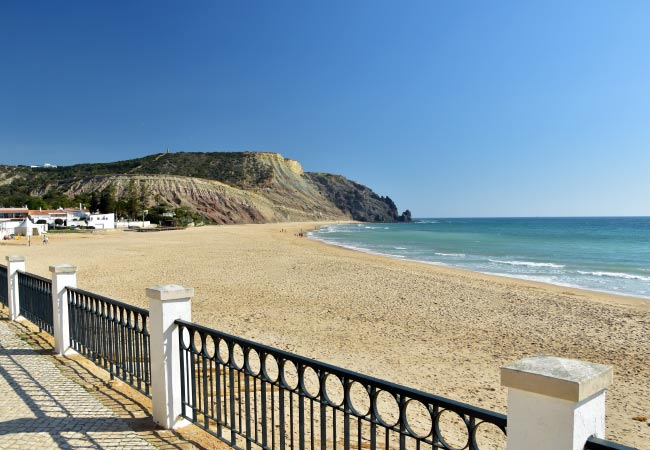
Luz, as most people call it, sits a short drive west of Lagos but feels like a different world. This is a residential village first and a holiday destination second, and that balance gives it a settled, welcoming character missing from busier resorts along the coast.
The village wraps around a sheltered bay, protected on its eastern side by the Rocha Negra, a striking volcanic cliff that anchors the whole scene. A seafront promenade paved in traditional black-and-white calçada runs the length of the beach, shaded by palm trees and lined with a handful of small cafés. No high-rise buildings interrupt the view, and the water in the bay stays calmer than the more exposed beaches further west.
Families and retirees have long favoured Luz, and it's easy to see why. The walking is easy, the atmosphere friendly, and the local shops and restaurants feel like part of a genuine community rather than a tourist strip. For those wanting the Algarve without the crowds, Luz delivers.
My sister had holidayed plenty before, but this was her first trip abroad since becoming a mum, and she wanted somewhere gentle to test the waters. Luz was ideal, calm, quiet and safe, and it's where my two year old niece took her first wobbly steps on the sand. - Luz guide
4. Cabanas
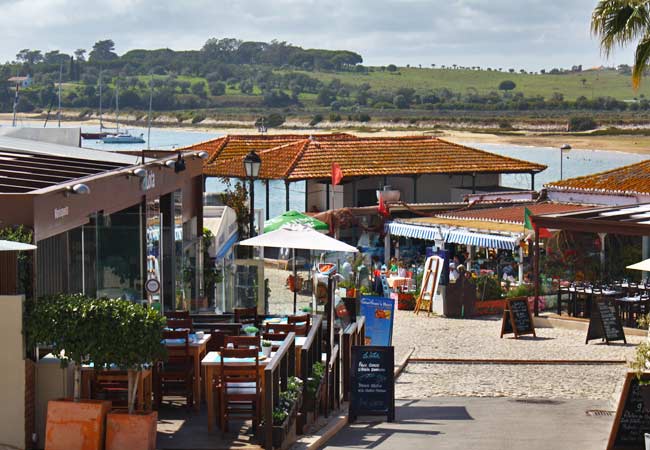
Cabanas lies a few kilometres east of Tavira, a village stretched along the Ria Formosa, its whole life turned towards the water. A wide wooden boardwalk runs the length of the village, offering views across the salt marshes to the barrier islands beyond. Fishing boats rest at their moorings, and the pace of life moves with the tides.
Along the waterfront, you will find a pretty row of restaurants and cafes filled with a mix of visitors, long-stay residents, and locals. This is a place designed for slow days spent on a terrace or in a café, simply enjoying the weather and socializing. I've been wowed by its social charm: what I'd planned as a quick morning coffee on the terrace of Bar 66 turned into a whole afternoon here, after striking up a conversation with a fellow patron.
The village is a particular favourite with older visitors and has a significant expat community who value the quiet, friendly lifestyle that the village offers.
The beach sits on the Ilha de Cabanas, which you reach by a short crossing on one of the small water taxis that shuttle back and forth throughout the day. On the island, a vast stretch of sand extends in both directions. It remains empty and quiet in a way that the built-up resorts of the central Algarve cannot match, providing a sense of space and seclusion.
5. Vila Real de Santo António
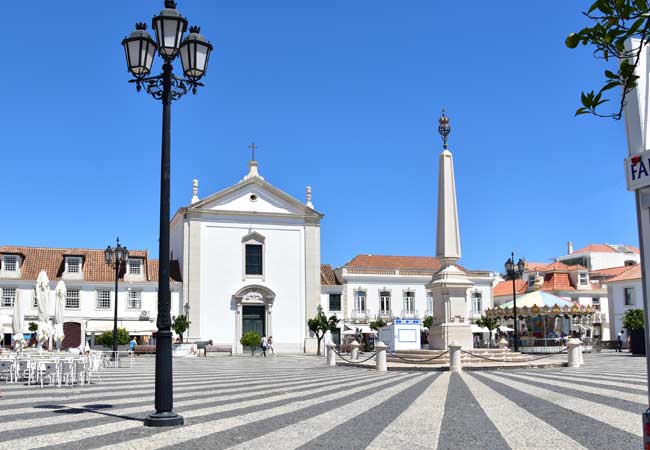
Vila Real de Santo António occupies the far eastern edge of Portugal, separated from Spain by the wide Guadiana River. The town looks and feels unlike anywhere else in the Algarve. After the 1755 earthquake, it was rebuilt on a formal grid plan with grand, uniform buildings and a large central plaza. Wide avenues replace the winding lanes found in other coastal villages, giving the whole town a spacious, ordered character.
The atmosphere is remarkably peaceful. Pedestrianised streets lead to a long riverside promenade where views stretch across the water to the Spanish town of Ayamonte, and ferries make the crossing in ten minutes, an easy afternoon excursion into a different country. Living in Lisbon, I only wish the capital had a plaza as calm as the Praça Marquês de Pombal here, somewhere you can sit and relax without being pestered or worrying about your bag.
South of the town centre, a large pine forest provides shaded walking trails that lead directly to the beaches of Monte Gordo and Praia de Santo António. These are among the warmest and quietest stretches of sand in the region, sheltered from the Atlantic winds that buffet the western coast. - Vila Real de Santo António guide
6. Ferragudo
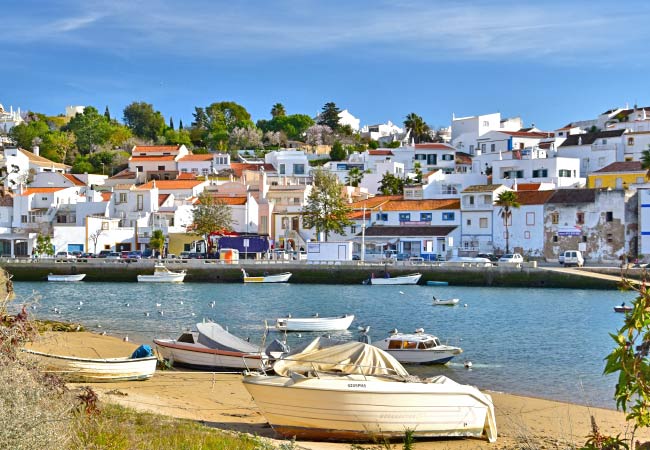
Ferragudo sits directly across the Arade River from Portimão, yet the two places could hardly be more different. Where Portimão is busy and commercial, Ferragudo remains a traditional fishing village of whitewashed houses, flower-filled streets, and a small central square where locals gather at the café tables each morning.
The village climbs a gentle hillside above the harbour, its narrow lanes offering glimpses of the river below. A walk along the waterfront leads to the Castelo de São João do Arade, a private fort guarding the river entrance, handsome even from the outside. The local beaches, Praia da Angrinha and Praia Grande, are sheltered coves with calm water suited to swimming and little of the swell that reaches the more exposed coastline.
Ferragudo draws day visitors for its looks, and the harbour can fill with people at lunchtime. Stay beyond the afternoon, though, and the village settles back into its natural quiet.
7. Sagres
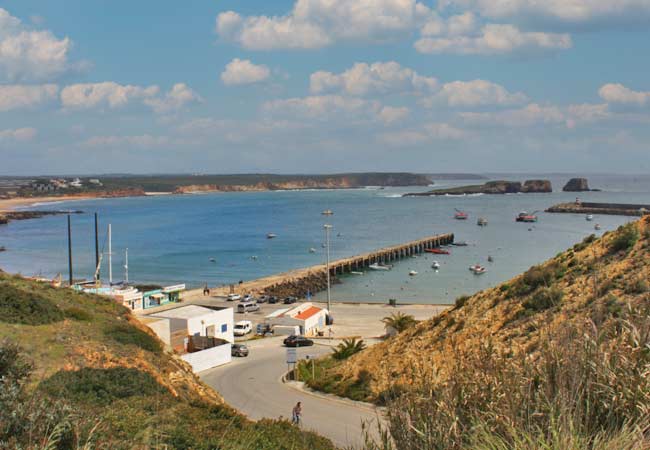
Sagres occupies the extreme southwestern tip of Portugal, and the landscape here bears no resemblance to the rest of the Algarve. This is a region of raging seas and dramatic scenery, a place for those who find peace in wild, open spaces rather than manicured resort beaches.
The town is a favourite with surfers and carries an understated, laid-back character. Distance from the main tourist centres has allowed Sagres to develop its own culture: surf shops, health-conscious cafés, and an easy, unpretentious atmosphere. It lacks the architectural charm of Tavira or Vila Real de Santo António, but offers something different: a sense of freedom and space.
This is a place for long coastal walks, world-class surfing, and cycling along windswept trails. The appeal lies not in pretty plazas but in the raw Atlantic coastline and the active, unpretentious lifestyle of those who come here. - Sagres guide
8. Salema
Salema sits in a valley between high limestone cliffs, a small village that has held onto its fishing traditions while others along the coast have let them slip away. Boats still launch directly from the beach each morning, and fishermen can be found mending nets on the sand as they have for generations.
The village itself amounts to a single main street and a handful of steep, cobbled lanes climbing the hillside. The beach is sheltered and the water generally calm, making Salema a natural choice for families with young children. There is little to do beyond relax, eat well and let the days pass, which is the whole appeal of the place.
9. Burgau
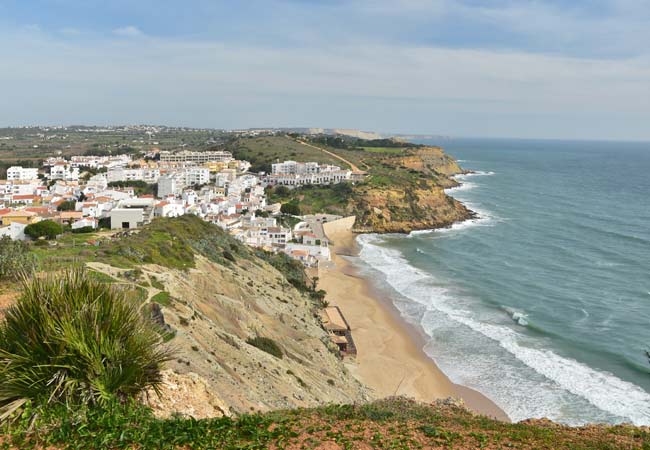
Burgau spills down a steep hillside toward a small cove, a cluster of whitewashed houses that has escaped the large-scale development found elsewhere along the coast. The narrow streets are often too tight for cars, which keeps the village quiet and rewards exploration on foot.
The beach sits at the bottom of the hill, tucked between high cliffs that shelter it from the northern winds. The water here stays calmer and warmer than on more exposed stretches of coastline. The cove is small, though, and the sand shrinks considerably at high tide, so checking the tide times before heading down is wise.
Burgau suits visitors who want a slow, traditional village atmosphere but value proximity to a larger town. Lagos lies just a short drive away, offering restaurants, shops, and services whenever the quiet becomes too quiet.
10. Santa Luzia
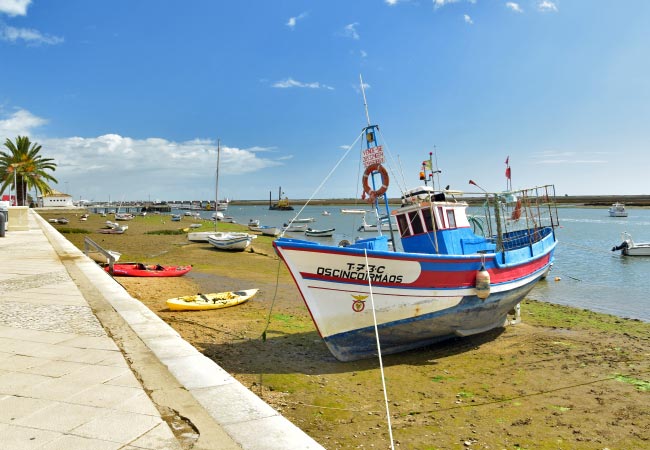
Santa Luzia sits a few minutes from Tavira, a fishing village strung along the edge of the Ria Formosa lagoon. The octopus catch here is the largest in the region, and hundreds of traditional clay pots used to trap them line the harbourfront, stacked in weathered rows.
The village is simple: a long waterfront road, a row of seafood restaurants, and views across the calm water to the barrier islands beyond. There is no beach in the village itself. Instead, a ferry or a pleasant walk across a wooden bridge leads to the Ilha de Tavira and its long stretch of sand.
The most distinctive beach nearby is Praia do Barril, reached by a miniature train that rattles across the salt marshes from the village of Pedras d'el Rei. At the back of the beach stands the Anchor Cemetery, where hundreds of rusting anchors rest among the dunes.
Our most popular guides to the Algarve


About the author: I'm Philip Giddings and have been writing these independent guides since 2009. I first visited the Algarve in 2001 when my Portuguese wife, Carla, was proud to show her country to me. We now live in Lisbon but I'm in the region most weeks researching and updating this site or visiting Carla’s extended family who live here. Having both Portuguese-family and friends who live within the Algarve gives me the local insight and personal connection to the region.
I love the Algarve region and strive to ensure every practical detail (such as ticket prices, opening hours) is correct, by checking against official sources and confirming in person on the many trips I make. I am experienced in Portuguese travel having written almost 2,000 guides for my wider set of Portugal Guides, and this is my full-time work and passion. The site is funded by affiliate commissions on tour and accommodation bookings, disclosed on every page that carries them. No tourist board, tour operator or attraction pays to appear here. My full story can be read here.